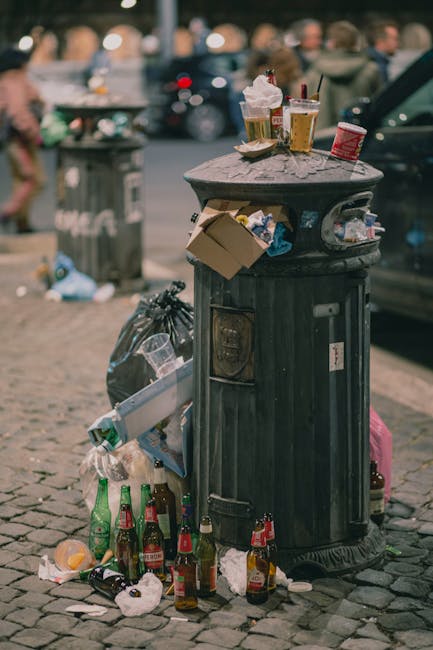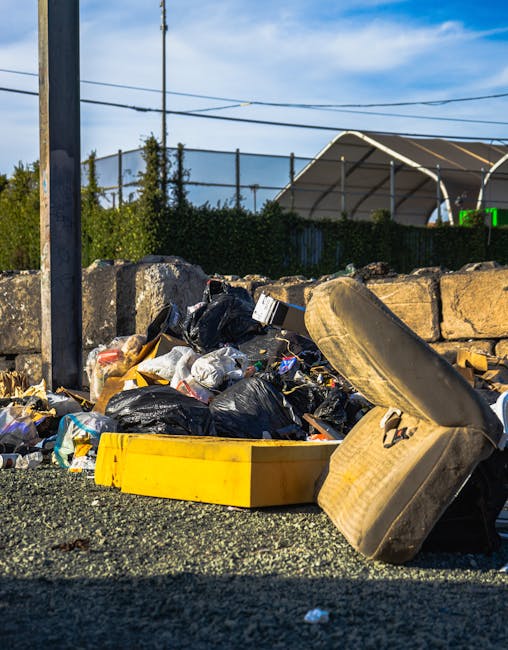
Stamford Bridge Bulky Rubbish Clearance for Matchday Waste
Matchday at Stamford Bridge is exciting, noisy, and usually brilliant for the city around it. But once the final whistle goes, the job is not over. Boxes from deliveries, broken seating, food packaging, damaged fittings, oversize signage, and the odd awkward item that never fits neatly into a bin all need to be cleared quickly and properly. That is where Stamford Bridge bulky rubbish clearance for matchday waste comes in.
Whether you are coordinating operations for hospitality, managing a premises team, or dealing with a sudden post-event pile-up, the need is the same: remove bulky waste safely, avoid disruption, and keep the site presentable for the next day. In practice, that means a collection plan that works around crowds, loading restrictions, timing windows, and the realities of a busy London venue. Let's face it, matchday waste does not politely wait for office hours.
This guide breaks down how bulky rubbish clearance works around Stamford Bridge, what kinds of waste are usually involved, where the risks sit, and how to choose a removal method that is efficient, compliant, and not unnecessarily stressful.
Why Stamford Bridge bulky rubbish clearance for matchday waste Matters
Matchday waste is different from ordinary office or retail rubbish. Volume rises fast, timings are tight, and the waste is often awkward in size. A stadium environment can produce everything from dismantled promotional structures to drink crates, broken furniture, cardboard, carpet offcuts, electrical items, and mixed bulky waste that cannot simply be bagged and forgotten.
The real issue is not just tidiness. Poorly managed bulky waste can block access routes, slow down cleaning teams, create trip hazards, attract complaints, and make it harder to reset the site for the next event or working day. In a setting as busy as Stamford Bridge, one badly placed pallet or broken item can become everybody's problem in about ten minutes flat.
It also affects the overall visitor experience. Supporters, staff, and contractors all notice clutter. A clear site feels organised and professional; a messy one feels rushed and unsafe. That impression matters whether you are handling a one-off event clear-down or a recurring matchday operations plan.
There is also a practical sustainability angle. Bulky waste often contains recyclable materials, reusable fixtures, or items that should be separated before disposal. A well-run clearance process gives you a better chance of diverting suitable waste away from landfill and keeping disposal costs under control. If you want a broader look at how waste streams are handled, the site's recycling and sustainability approach is a sensible place to start.
How Stamford Bridge bulky rubbish clearance for matchday waste Works
In simple terms, bulky rubbish clearance means collecting large or awkward waste items, loading them safely, and removing them in a way that fits around the venue's operating schedule. For matchday waste, that usually means planning around arrival peaks, ingress and egress, stewarding activity, traffic restrictions, and nearby pedestrian flow.
The process normally starts with a quick waste assessment. What type of items are present? How much space do they take up? Can they be moved by hand, or do they need trolleys, dollies, or a two-person lift? Are any items hazardous, sharp, wet, or contaminated? Those questions matter because they shape the method.
From there, the clearance team will usually separate waste into practical groups. Cardboard and packaging can often be handled differently from broken furniture, fixture offcuts, fridges, or electricals. That makes sorting faster and disposal cleaner. If an item is difficult to move, such as a sofa, bench, or damaged cabinet, a specialist service like furniture disposal may be the better route than treating it as general waste.
Timing is key. Matchday collections are often easiest before gates open, between event phases, or after the crowd has cleared. Nobody wants a waste truck squeezing through a bottleneck while fans are still spilling out onto the pavement. That is not clever planning; that is a headache waiting to happen.
In some cases, bulky rubbish clearance will be part of a wider waste removal plan rather than a standalone job. If the venue has recurring post-match waste, it can make sense to coordinate it with broader business waste removal so the routine and the reactive jobs work together instead of fighting each other.
Key Benefits and Practical Advantages
There are a few obvious benefits to professional bulky rubbish clearance, and a few that only become obvious after you have had to deal with a messy post-match site yourself.
- Faster site reset: bulky items are removed promptly, so cleaning crews can finish their work without working around obstacles.
- Better safety: fewer trip hazards, sharper edges, and blocked walkways.
- More predictable operations: a set collection plan is easier to fit around stewarding and venue access.
- Improved presentation: public-facing areas look cared for, even after a busy event.
- Less staff strain: heavy or awkward items are handled by people equipped to do the lifting.
- Better waste separation: recyclable materials can be split from general rubbish where practical.
There is also a less visible advantage: reduced confusion. When everyone knows what happens to bulky waste, who clears it, and at what time, the whole day runs smoother. That might sound small, but in event work the small things are often the big things in disguise.
For venues or contractors dealing with furniture changes, temporary installs, or broken fixtures, services such as furniture clearance and builders waste clearance can be relevant alongside matchday waste removal. It depends on whether the debris is event-related, maintenance-related, or a mix of both.
Who This Is For and When It Makes Sense
This kind of clearance is useful for anyone responsible for getting a busy site back into shape after a match or event. That might include venue teams, hospitality operators, contractors, facilities managers, cleaning supervisors, and logistics staff. Sometimes the call comes from a simple reality: there is too much to move by hand, too little time, and nowhere sensible to store it overnight.
It also makes sense when bulky items are creating a bottleneck. For example:
- temporary barriers, partitions, or display units need to be removed after an event;
- damaged furniture cannot be left in a service corridor;
- cardboard and packaging are piling up faster than the usual bins can cope with;
- large appliances, chillers, or catering equipment need to be taken away;
- storage areas are full and need a fast clear-out before the next fixture.
Some of these situations may be better handled through specialist services. If an item is a fridge or similar appliance, for instance, fridge and appliance removal is a more appropriate route than standard bulk collection. The same logic applies to soft furnishings; if you are dealing with older benches, sofas, or lounge seating, mattress and sofa disposal may be the right fit.
And for smaller support sites, back-of-house rooms, or nearby offices that also need attention after a matchday, office clearance can be a useful adjacent service. Real-world operations are rarely neat. Waste streams overlap. That is normal.
Step-by-Step Guidance
If you are arranging Stamford Bridge bulky rubbish clearance for matchday waste, a structured process saves time and avoids expensive mistakes. Here is the practical version.
- Identify the waste stream. Separate bulky items from general litter, food waste, and recyclables where possible. Make a quick list so nothing gets forgotten in the rush.
- Check access and timing. Decide when collection can happen without clashing with crowds, deliveries, or security checks. Early morning or post-event windows are often easier.
- Estimate volume and weight. You do not need laboratory precision here. Just enough to judge vehicle size, manpower, and loading time.
- Flag special items. Electrical equipment, sharps, liquids, and anything potentially hazardous need extra care. If there is uncertainty, set it aside and do not mix it in blindly.
- Prepare the load area. Keep waste in one controlled location so the team can work quickly. Good stacking matters. A lot. Nobody enjoys chasing a wobbly pile across a loading bay.
- Choose the right removal method. A one-off bulky collection, scheduled business waste service, or service-specific disposal route may all be suitable depending on what is being cleared.
- Confirm documentation and responsibility. Make sure the waste carrier is legitimate and that your site records are in order. Keep a note of what went, when, and how it was collected.
- Review what could be reduced next time. Look at packaging, temporary fixtures, reusable items, and how waste was stored. Small changes often make the next matchday much easier.
Truth be told, the best waste job is the one that seems almost boring. Smooth, quiet, uneventful. That is the goal.
Expert Tips for Better Results
There is a lot you can do before a clearance crew even arrives. A little preparation cuts time, cost, and hassle. In our experience, the venues that run the cleanest post-match clear-downs treat waste as part of the event plan, not as an afterthought.
- Set one waste holding point. Scattered piles slow everything down.
- Keep walkways clear. If access is blocked, collections take longer and safety risk rises.
- Separate reusable from disposable items. A surprising amount of matchday material is still usable if handled carefully.
- Use labelled zones. Even simple signs like "cardboard," "bulky waste," and "electricals" reduce confusion.
- Book around peak movement. Avoid collections when crowds are leaving or deliveries are arriving.
- Have a backup plan. Weather, fixture delays, and last-minute venue changes happen. Always.
One useful rule: if an item takes two people and a bit of grumbling to move, it probably needed planning yesterday. Not a crisis, just reality.
If your clearance includes boxed stock, secure documents, or sensitive printed material from hospitality or admin areas, confidential shredding can be a sensible extra step. It is not always needed, but when it is, it needs doing properly.
Common Mistakes to Avoid
A busy matchday can make even experienced teams rush. That is where avoidable mistakes creep in.
- Leaving bulky waste until the last minute. This is probably the most common one. It creates pressure and narrows access options.
- Mixing awkward items with general rubbish. It slows sorting and can lead to unsuitable disposal.
- Ignoring weight and lifting risks. A heavy item that looks manageable can still cause injuries or damage.
- Assuming every item can go in the same load. Some items need separate handling or specialist disposal.
- Forgetting venue constraints. Loading bay rules, timing restrictions, and security procedures all matter.
- Skipping the paperwork. Good records protect the operator and the client.
Another subtle mistake is underestimating how much waste a match can generate. One corner of the venue looks fine, then you turn around and there is a mountain of cardboard, broken packaging straps, and dismantled display material. It happens all the time.
Tools, Resources and Recommendations
You do not need a warehouse full of equipment to manage matchday bulky waste well, but the right basics help a lot.
- Roll cages or trolleys: useful for moving awkward loads safely.
- Heavy-duty gloves: especially important for rough cardboard, splintered wood, or sharp-edged items.
- Clear labels or tape: simple, but very effective for sorting waste streams.
- Palettes or stackable containers: helpful where items need to be kept dry or grouped neatly.
- Lighting for early or late collections: not glamorous, but very practical around loading areas.
- Waste route plan: a basic map of where waste moves from pitchside, concourse, kitchen, and storage spaces to the collection point.
If you are unsure whether something belongs in a mixed load or needs a separate route, a helpful starting point is the site guidance on what can go in a skip. Even when you are not using a skip, the same broad thinking about separation and unsuitable materials still applies.
For larger clear-outs around the ground, back rooms, or neighbouring premises, waste removal is the natural umbrella service. It keeps the process simple when the job covers more than one waste type.
Law, Compliance, Standards, or Best Practice
Waste handling in the UK comes with responsibilities, especially for business and event operators. You do not need to memorise legislation to behave properly, but you do need to work with a carrier you trust, avoid fly-tipping risk, and ensure waste is handled by suitable means.
In practical terms, best practice means:
- keeping waste types separated where it is sensible to do so;
- making sure any contractor handling the waste is authorised and experienced;
- not leaving bulky waste in public or shared access areas;
- storing potentially hazardous items away from general loads;
- keeping internal records of what was removed and when.
For workplaces and venues, health and safety expectations matter too. Heavy lifting, sharp edges, blocked exits, and awkward movement routes can all create problems if people rush. That is why internal procedures, method planning, and site-specific judgement are so important. If you want reassurance about how a provider approaches safety, it is worth reviewing their health and safety policy and insurance and safety information.
Where hazardous or unusual materials are involved, do not guess. Separate them and get the correct disposal route. A cautious approach is nearly always the right one. No drama, just good practice.
Options, Methods, or Comparison Table
There is no single right way to deal with matchday bulky waste. The best method depends on volume, timing, and how mixed the waste stream is. Here is a straightforward comparison.
| Method | Best for | Strengths | Limitations |
|---|---|---|---|
| Ad hoc bulky rubbish clearance | One-off spikes after a match | Quick, flexible, ideal for urgent clear-downs | Less efficient for recurring waste if used alone |
| Scheduled business waste removal | Regular venue waste streams | Predictable, easier to plan around operations | May not suit sudden large items on its own |
| Specialist item removal | Fridges, sofas, appliances, sensitive items | Better matched to item type and disposal needs | May require multiple collections if waste is mixed |
| General waste-only clearance | Mixed small rubbish, not bulky items | Simple for light waste volumes | Poor fit for large, awkward, or heavy items |
For many matchday situations, the smartest answer is a combination. A general collection for the light waste, plus targeted services for the bulky bits. That blend keeps the site moving without overcomplicating things.
Case Study or Real-World Example
Picture a Monday morning after a busy Saturday fixture. The concourse has been cleared, but the service yard still has flattened packaging, damaged display boards, a couple of broken chairs, and a stack of awkward oversize items that were moved out of the way during the event. The cleaning team can work around some of it, but not all.
Instead of trying to force everything into one general load, the site manager splits the waste into three groups: recyclable cardboard, bulky mixed waste, and a small set of item-specific removals. The clearance happens in a narrow window before the next deliveries arrive. One team handles the load area, another keeps routes clear, and the site is left tidy enough for normal operations to restart without a scramble.
That kind of approach sounds simple, and in a way it is. But it only works when the waste plan is clear before people are tired, the weather turns, or a delivery driver appears asking where to reverse. Small bit of order, big difference.
Practical Checklist
Use this checklist to prepare for Stamford Bridge bulky rubbish clearance for matchday waste.
- Identify all bulky items as soon as the event begins winding down.
- Separate bulky waste from everyday litter and food waste.
- Set one collection point that does not block essential routes.
- Check whether any items need specialist handling.
- Confirm the safest time window for removal.
- Keep lifting, stacking, and access routes under control.
- Make sure nothing hazardous is mixed into general loads.
- Keep a record of what was removed and when.
- Review what could be reduced or reused next time.
- Use the right service for the right item, not a one-size-fits-all approach.
Expert summary: The best bulky rubbish clearance is not just fast; it is planned, separated, and timed to fit the rhythm of the venue. If you get those three things right, the rest tends to fall into place.
If you are comparing options or want to line up a collection that fits around the next fixture, you can also review pricing and quotes before deciding how to proceed.
Get a free quote today and see how much you can save.
Conclusion
Stamford Bridge bulky rubbish clearance for matchday waste is really about control. Control over timing, access, safety, and the shape of the waste itself. The smoother the process, the less energy you spend on avoidable mess and the more quickly the venue gets back to looking like itself again.
That matters on a practical level, but also on a quieter one. A clean, well-managed site feels calmer after the noise of a match. It gives staff room to breathe. It gives visitors a better impression. And it makes the next day feel manageable rather than chaotic.
If your matchday waste has started to feel a bit too big, too awkward, or too frequent to handle casually, that is usually the sign to put a proper clearance plan in place. Nothing fancy. Just solid, reliable, human common sense.
And honestly, that is often enough.
Frequently Asked Questions
What counts as bulky rubbish after a Stamford Bridge matchday?
Bulky rubbish usually means large or awkward items that cannot be handled like normal bin waste. That can include broken furniture, display units, pallets, packaging boards, damaged fixtures, and certain equipment components.
Can matchday bulky waste be mixed with general rubbish?
Sometimes small amounts can be combined, but it is usually better to separate bulky items from general waste. Mixing everything together slows collection, makes sorting harder, and can create disposal issues.
How soon should bulky waste be cleared after the event?
As soon as practical. The best time is often the first safe window after crowd movement eases or before the next operational activity begins. Leaving bulky waste overnight tends to create extra problems.
Do I need a specialist service for furniture or appliances?
Yes, often you do. Large furniture and appliances are easier to handle through targeted services such as furniture disposal or fridge and appliance removal rather than ordinary mixed waste collection.
What if some of the waste might be hazardous?
Do not mix it into a standard load. Separate it, label it if possible, and arrange a suitable disposal route. If you are not sure, treat it cautiously until it is assessed properly.
Is bulky rubbish clearance suitable for recurring matchdays?
Absolutely. In fact, recurring events are where a planned clearance process works best. Regular patterns make it easier to schedule collection windows and reduce last-minute pressure.
How do I avoid disrupting supporters and staff?
Plan collection around peak movement times, keep waste in a controlled holding area, and use access routes that do not interfere with public flow. A few minutes of planning can save a lot of awkwardness later.
What should I do with cardboard and packaging from matchday setups?
Separate it where possible. Cardboard, wrapping, and straps can often be handled differently from mixed bulky waste, which helps both with sorting and with sustainability goals.
Can bulky rubbish clearance include office or back-of-house waste?
Yes, if the site includes admin areas or back-of-house rooms needing attention, office clearance can sit alongside matchday waste removal. Real operations often overlap a bit, and that is normal.
How do I know if a waste contractor is suitable?
Look for a provider that explains their process clearly, handles the waste types you need, and can show sensible safety and insurance information. Trustworthy service is usually obvious in the details.
What is the best way to prepare for a clearance?
Create one waste area, separate obvious item types, clear access routes, and confirm the timing window in advance. That small bit of structure makes the collection faster and calmer.
Is this only useful for the stadium itself?
No. Nearby hospitality spaces, offices, storage rooms, and event support areas can also generate bulky waste during matchdays. The same principles apply wherever large items need removing safely and promptly.
If you need help planning the next collection, the simplest move is usually the best one: review the waste, choose the right route, and get it handled before it starts getting in everyone's way.